Skip to content
How to Choose a Nordic-Leaning Table for Every Room
- by Bicroom Editorial
FURNITURE JOURNAL
How to Choose a Nordic-Leaning Table for Every Room
A practical guide to choosing dining tables, side tables, low tables, lift tables, standing desks, and folding options with a Nordic-leaning eye for shape, space, and material.
Start with the room, not the style
A good table does more than fill a gap in the floor plan. It should match the way a room actually works day to day. In a Nordic-leaning home, that usually means choosing clean shapes, honest materials, and a calm visual weight that does not overtake the space.
Before focusing on looks, think about the job the table has to do. Is it for meals, laptop work, coffee breaks, gaming, or a landing spot near the door? A dining table and a side table may both be simple and rectangular, but they solve very different problems. The right choice depends on use, traffic flow, and how much flexibility you need.
Space planning matters as much as the table itself. A larger surface can be useful, but only if chairs, walking paths, and nearby furniture still feel comfortable. In smaller homes, a lighter silhouette or a table that can move with the day often makes the room feel easier to live with.
- Choose by daily use first, style second.
- Keep circulation and seating in mind before sizing up.
- Light visual forms often suit Nordic-inspired interiors.
- Flexible pieces can be better than oversized ones in compact rooms.
Dining tables: daily meals, hosting, and compact layouts
The dining table is usually the hardest-working table in the home. For many households, it is where meals, homework, craft projects, and weekend gatherings all happen on the same surface. That makes shape and proportion important, especially in kitchens and open-plan rooms.
A round table can feel friendly and easy to place in smaller dining corners. It often supports conversation well because everyone sits within the same visual field. A rectangular table, on the other hand, can be easier to line up with a wall, window, or narrow room, and it often suits households that want a more formal or structured look.
If you need the room to do double duty, a folding table can be a smart value pick. It is especially useful in apartments, guest rooms, and homes where dining space has to disappear sometimes. At the higher end, a solid wood dining table can become a long-term anchor for the whole interior, while glass, marble, or ceramic tops create a more elevated look with a different visual weight.
For a Nordic-leaning room, the best dining tables tend to feel simple rather than showy. Look for a shape that leaves enough breathing room around chairs and a finish that works with the rest of the home instead of competing with it.
- Round tables suit relaxed conversation and tighter dining corners.
- Rectangular tables work well in narrow rooms and along walls.
- Folding tables are practical when dining space must stay flexible.
- Wood feels warm and grounded; glass, marble, and ceramic lean more polished.
Living-room tables: side, low, and lift formats
Living rooms need tables that support how people actually lounge. A side table gives you a place for drinks, books, or a lamp without crowding the sofa. It is one of the easiest ways to make a seating area more functional, especially when floor space is limited.
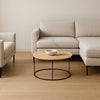
A low table can act as the center of a conversation zone, a place for trays and remotes, or a casual surface for board games. In a room with a softer, low-profile feel, this format can reinforce the relaxed Nordic mood. It keeps the eye line open and works well when the rest of the seating is equally low and simple.
Lift tables add flexibility. They are useful if you snack, work, or browse from the sofa and want a surface that can adjust to the moment. For compact living, that flexibility can be more valuable than having separate pieces for every task. Still, lift tables work best when the mechanism and the proportions suit the rest of the room, not when they dominate it.
If the living room is also a social or gaming zone, think about surface size and access from multiple sides. A table that is easy to reach from the sofa, chair, or floor can make the room feel more usable without adding clutter.
- Side tables are the easiest add-on for everyday convenience.
- Low tables support a relaxed, open living-room layout.
- Lift tables help one room serve multiple uses.
- Choose a shape that stays easy to reach from all seats.
Work-friendly tables: standing desks and small-space desks
Remote work changed what many people expect from a desk. A standing desk can support a more active workflow, but it is worth considering whether the rest of your home is ready for that visual and practical shift. Some homes benefit from a dedicated work zone, while others need a desk that quietly blends into a bedroom or living area.
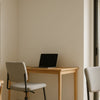
In a small apartment, the best desk is often the one that disappears gracefully when the workday ends. A compact desk with clean lines can fit a nook without taking over the room. An L-shaped layout may suit people who need more spread for monitors, creative tools, or gaming, but it usually asks for more floor space and a more deliberate layout.
For budget-conscious shoppers, a simple desk with a slim top and modest footprint can be the smartest purchase. If you spend long hours at the computer, prioritize a layout that gives you enough working room without forcing the rest of the room to feel cramped. If the desk must share space with other activities, choose one that reads visually light and does not overload the room.
The Nordic-leaning approach here is restraint: just enough structure to support the task, and just enough simplicity to let the rest of the room breathe.
- Standing desks suit people who want more movement during the day.
- Compact desks are often best for bedrooms and shared spaces.
- L-shaped desks can help with multi-monitor work or gaming setups.
- A light visual footprint is useful when the desk is always visible.
Material choice changes the mood of the room
Material choice is where a practical table becomes a design decision. Wood is the most natural fit for Nordic-inspired rooms because it brings warmth and an easy, familiar character. It can feel casual in a kitchen or more refined in a dining room depending on the finish and shape.
Glass makes a table feel visually lighter. That can be helpful in smaller rooms or in spaces where you want the table to feel present but not heavy. It is a strong option when the room already has enough texture and you want the furniture to stay quiet.
Marble has a more substantial presence. It can lend a premium feel to a dining or side table, but it also changes the emotional tone of the room, making it feel more formal or polished. Ceramic can achieve a similar elevated effect with a slightly different look and can feel especially appealing in contemporary interiors that want a crisp surface and a refined edge.
Budget plays into material choice too. A well-made wood table often gives strong value because it works in many rooms and styles. Glass can offer a lighter, lower-visual-impact solution at accessible price points, while marble and ceramic typically read as more design-forward and may sit higher on the budget scale. The best choice is the one that fits both the room and the way you want it to feel.
- Wood brings warmth and flexibility across room types.
- Glass keeps a table visually light.
- Marble creates a more polished, premium impression.
- Ceramic can offer a refined contemporary look.
- Budget and mood should guide the final material choice.
Room-by-room buying shortcuts
For the kitchen, prioritize a dining table that does not interrupt circulation. Round tables often help in tighter layouts, while folding tables make sense when the room has to work hard for multiple purposes. In open-plan homes, a rectangular table can help define the dining area without adding walls.
In the living room, start with a side table if you only need one small helper, then move up to a low table or lift table if the room doubles as a lounge, game room, or casual work zone. These formats are often easier to live with than a large center table that has no clear role.
For the bedroom, a compact desk or simple side table can be enough. Bedrooms usually benefit from furniture that supports routine without making the room feel crowded. In an entry area, a small table with a clean profile can hold everyday essentials and keep the first view of the home uncluttered.
If you are choosing between value and designer options, think about lifespan in use, not just appearance. A modest table with the right shape and material can solve more problems than a more expensive piece that is too large, too formal, or too specific for the room.
- Kitchen: choose circulation-friendly dining shapes.
- Living room: select tables by lounging and flexibility needs.
- Bedroom: keep the footprint compact and useful.
- Entry area: favor a light, uncluttered first impression.
- Buy for how often the table will work, not just how it looks.
Frequently asked questions
What table shape works best in a small dining area?
A round table is often the easiest choice because it can feel softer in tight corners and encourages easy conversation. A folding table can also be a smart option when the space needs to stay flexible.
Should I choose a side table, low table, or lift table for the living room?
Pick the one that matches how you use the room. A side table is best for a simple everyday helper, a low table suits a relaxed seating area, and a lift table works well if you want one surface that can support snacking, casual work, or gaming.
Which material feels most Nordic and practical?
Wood is usually the most natural fit because it brings warmth and works across many room types. Glass keeps things visually light, while marble and ceramic create a more polished, design-led mood.
- Posted in:
- dining table
- English
- folding table
- Furniture Use
- lift table
- low table
- material choice
- round table
- side table
- space planning
- standing desk