Skip to content
Living Room Furniture Ideas by Style, Price, and Function
- by Bicroom Editorial
FURNITURE JOURNAL
Living Room Furniture Ideas by Style, Price, and Function
A practical style guide for choosing living room and dining furniture that looks cohesive, fits the room, and respects your budget. Explore Nordic, cafe-inspired, hotel-like, industrial, and relaxed resort looks, plus smart advice for small spaces, storage, and easy assembly.
Start with the room’s job, not just the look
The easiest way to shop for living room furniture is to start with function. Before you fall in love with a sofa shape or a dining table finish, ask what the room needs to do every day. Is it mainly for TV time, hosting, working from home, family meals, or all of the above? A room that handles several jobs needs pieces that can multitask without feeling crowded.
In a smaller home, the right anchor pieces matter more than a long list of accessories. A well-chosen TV board can hide clutter, a sofa with a clean profile can preserve visual breathing room, and a dining table with the right scale can make a compact layout feel intentional instead of improvised. That is especially important in open-plan spaces where living and dining areas share the same view.
Budget also shapes the plan. Some shoppers want a few polished pieces they can keep for years. Others need a starter setup that looks pulled together right away and leaves room to upgrade later. Either approach works as long as the furniture choices support the room’s real use.
- Decide the room’s top priority: lounging, dining, storage, or all three.
- Measure the footprint before shopping for a sofa or dining table.
- Choose anchor pieces first, then add smaller accents if the budget allows.
- Look for furniture that feels visually light if the room is tight.
Style-led furniture ideas: Nordic, cafe, hotel-like, industrial, and relaxed resort
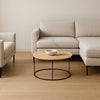
Style is often what helps a room feel finished. A Nordic look usually leans on pale wood, soft neutrals, and simple lines that keep the space calm. It works well for people who want a quiet backdrop for daily life, especially when the room needs to feel open and uncluttered. If you are building around Nordic style, think about a sofa in a neutral fabric, a wood TV board with a light finish, and a dining table that feels simple rather than heavy.
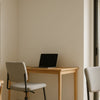
A cafe-inspired room can feel warmer and more social. This style often mixes wood, rounded shapes, and a relaxed chair selection that makes the space feel welcoming. It can be a strong choice for a kitchen-adjacent dining area or a small apartment where the table doubles as a daily gathering spot. The mood is casual, not formal, so a slightly mismatched but coordinated set can work well.
Hotel-like interiors aim for a cleaner, more polished finish. The look often depends on restrained colors, tailored upholstery, and furniture with a more refined silhouette. A sofa with a structured profile, a low TV board, and a dining table with a simple but elegant base can give the room that calm, composed feeling. This style is especially appealing if you want the living room to feel a little more dressed up without becoming fussy.
Industrial rooms usually bring in darker tones, metal details, and stronger contrasts. The style can feel urban and grounded, especially when paired with wood that softens the harder edges. It is a good fit for shoppers who like furniture with a bit of edge but still need the room to function day to day. An industrial living room does not have to feel cold if you balance metal with fabric and keep the palette controlled.
A relaxed resort look is all about ease. Rattan accents, soft neutrals, and breezy materials can make the room feel informal and restorative. This style works best when it stays uncluttered and leans into natural textures instead of too many competing finishes. It is a useful direction for anyone who wants the home to feel lighter, especially in a room that gets a lot of daytime use.
- Nordic: pale wood, neutral fabric, simple lines.
- Cafe: warm wood, friendly shapes, easygoing seating.
- Hotel-like: tailored upholstery, controlled colors, polished finishes.
- Industrial: metal accents, darker tones, mixed textures.
- Resort: rattan, soft neutrals, airy, relaxed styling.
How to choose a sofa and TV board for a small living room
For many shoppers, the sofa and TV board set the tone for the whole room. In a small living room, the best sofa is usually the one that looks visually lighter and leaves enough circulation space around it. That may mean a simpler arm shape, slimmer legs, or a compact size that fits the room without dominating it. Oversized seating can be comfortable, but it can also crowd out the rest of the layout.
A TV board deserves the same care. In a compact room, the goal is often to contain media gear and everyday clutter while keeping the wall from feeling overloaded. Closed storage can help the room look calmer, while an open base or raised legs can make the piece feel less bulky. The right choice depends on whether you want the TV zone to disappear into the background or act as a stronger design feature.
Assembly is another practical factor. If you are furnishing a new apartment or moving into your first home, furniture that is easier to assemble can reduce stress and speed up the setup process. That does not mean sacrificing style. Many affordable options are designed to be straightforward while still looking polished once placed in the room. For buyers who do not want a complicated weekend project, this can be a major deciding point.
Color matters too. Lighter neutrals often help a small room feel more open, while deeper tones can add mood and contrast if the room gets enough light. A good rule is to use one main furniture language for the sofa and TV board so the room feels cohesive. Too many competing finishes can make a tight living room seem smaller than it is.
- Choose a sofa that fits the room with room to spare.
- Look for TV board storage that reduces visible clutter.
- Consider furniture with simpler assembly if you are furnishing fast.
- Use matching or related finishes to keep a small room calm.
Dining furniture that works in everyday life
Dining furniture should look good, but it also has to handle real routines. A dining table in a living-dining space often needs to serve more than one purpose, from quick breakfasts to laptop time to weekend dinners with friends. That makes scale and shape just as important as style. Round, rectangular, and compact square tables each bring a different feeling, and the right choice depends on how the room is used.
If your dining area is part of an open-plan living room, aim for furniture that visually belongs to the same family as the sofa and TV board. That does not mean every piece must match. It does mean the finishes, color temperature, and overall mood should feel connected. A wood table can echo a wood TV board, while a fabric sofa and upholstered dining chairs can soften a room that has a lot of hard surfaces.
For budget-conscious shoppers, dining sets can be a practical shortcut, especially when you want a unified look fast. But separate pieces often offer more flexibility. You might find a dining table you love online and pair it with chairs from a mass-market retailer, or choose a simple table and bring in a few better-looking seating pieces over time. The best value comes from choosing the item that has the biggest visual impact for your room.
If storage is a concern, think about whether your dining area needs room for serving pieces, extra textiles, or everyday objects that do not have another home. A nearby cabinet, sideboard, or TV board with closed storage can help the room function better without adding visual noise.
- Match the dining table scale to how often the room is used.
- Keep the dining finish related to the living room anchor pieces.
- Use separate pieces when flexibility matters more than a full set.
- Add storage nearby if the dining area doubles as a daily drop zone.
Budget-friendly coordination: where to spend, where to save
A cohesive room does not require premium pricing across the board. In fact, many successful living rooms mix one or two stronger statement pieces with more affordable supporting items. A sofa or dining table may deserve more of the budget because it anchors the room visually and gets heavy use. Smaller pieces, including accent tables or decorative seating, can often come from more budget-friendly collections without disrupting the overall look.
Mass-market retailers and online shops make it easier than ever to build a room in stages. That is useful if you want to start with a TV board, sofa, and dining table now, then add storage or accent furniture later. The key is to make sure the basics share a common design language. When finishes, proportions, and color families line up, the room feels intentional even if the purchases happened over time.
Neutral colors are a smart budget tool because they are easier to coordinate as your style evolves. Beige, gray, off-white, and warm wood tones can support many interior directions, from Nordic style to hotel-like calm. If you want more personality, add it through smaller pieces like cushions, a rug, or a dining chair shape rather than forcing every large item to carry the entire style story.
The most practical way to save is to focus on the furniture that solves the most problems. If the room lacks storage, choose a TV board or sideboard that helps. If the layout feels awkward, prioritize a sofa or dining table with a better fit. If assembly is your biggest concern, pick simpler pieces you can set up with less effort. Style becomes easier once the functional basics are in place.
- Spend more on high-use anchor pieces.
- Save on smaller accents that are easier to swap later.
- Use neutral colors to keep future shopping flexible.
- Build the room in phases if the budget is tight.
Frequently asked questions
What should I buy first for a living-dining room?
Start with the pieces that shape the layout most: usually the sofa, TV board, and dining table. Once those are chosen, it is much easier to pick storage, chairs, and smaller accents that match the room’s scale and style.
How do I make a small living room feel bigger?
Choose compact furniture with lighter visual weight, keep the finish palette consistent, and avoid oversized pieces that block movement. Storage-friendly items can also help reduce clutter, which makes a room feel more open.
Is it better to buy a matching furniture set or mix pieces?
Both can work. Matching sets are a simple way to get a coordinated look quickly, while mixed pieces often feel more personal and flexible. If you mix, keep the colors, materials, or style family related so the room still feels unified.
- Posted in:
- assembly
- budget
- compact size
- dining table
- English
- Furniture Design
- interior styling
- living room
- Nordic style
- sofa
- storage
- TV board