Skip to content
Nordic and Functional Rug Selection for Everyday Interiors
- by Bicroom Editorial
FURNITURE JOURNAL
Nordic and Functional Rug Selection for Everyday Interiors
A practical, design-aware guide to choosing rugs and carpets for everyday homes, with advice on shape, texture, material, comfort, seasonal use, and budget-friendly style.
Start with the room, not the rug
A good rug does more than fill empty floor space. In everyday interiors, it helps define a seating area, soften a bedroom, or make an open layout feel more settled. The best choice usually starts with how the room is used, who lives there, and where the furniture sits.
In a living room, a rug can visually connect a sofa, chairs, and coffee table so the space feels intentional. In a dining area, it should support the table zone without making movement awkward. In a bedroom, the right rug often brings warmth and comfort where you step first thing in the morning.
Nordic style tends to favor calm lines, light visual weight, and practical comfort. That makes rug selection especially important: the rug should feel simple and grounded, but still bring texture and personality. A well-chosen carpet can quietly do both.
- Use the room’s function as the starting point.
- Think about how furniture will sit on or around the rug.
- Choose a visual scale that supports the layout instead of fighting it.
- Aim for a rug that feels calm, useful, and easy to live with.
Choose shape as a design tool
Shape changes how a rug feels in the room. A rectangular rug is the most common choice because it naturally matches sofas, beds, and dining tables. It helps a room feel orderly and is often the easiest starting point for a first-time buyer.
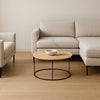
A round rug can be especially useful when the goal is to soften hard lines. It works well under a small table, in a reading corner, or in a compact entry where a square or rectangle might feel too rigid. A round rug can also bring a more relaxed look to a room with mostly straight-edged furniture.
For longer rooms or open-plan spaces, layering the rug’s shape into the layout matters just as much as the size. If the room is full of straight sightlines, a round rug may create a welcome contrast. If the furniture arrangement already feels loose and informal, a rectangular rug may help it feel pulled together.
The key is balance. Shape should support the room’s architecture and the furniture arrangement, not compete with them.
- Rectangular rugs suit most standard furniture layouts.
- Round rugs can soften corners and add visual movement.
- Shape can help balance a room that feels too strict or too scattered.
- Let the furniture arrangement guide the silhouette.
Texture and comfort: what you feel underfoot
Texture changes the mood of a room almost immediately. A shaggy rug can make a space feel softer and more relaxed, while a low-pile rug usually looks cleaner and more structured. Neither is automatically better; each one solves a different design problem.
If comfort is a priority, think about softness and warmth first. Bedrooms, family rooms, and quiet corners often benefit from a rug that feels inviting underfoot. In busy areas, a flatter surface may be easier to live with because it keeps the room looking crisp and can be simpler to place under furniture.
Slip resistance is also part of everyday comfort, especially on smooth floors. A rug that stays in place feels more settled and can make a room easier to use day to day. The exact backing or grip strategy can vary, so it is worth checking product details rather than assuming all rugs behave the same way.
Some shoppers also look for low rebound in a rug. In practical terms, that usually means the rug stays visually composed rather than looking overly springy or fluffy after use. This can be appealing in modern Nordic interiors where a neater profile often works best.
- Shaggy textures add softness and a more casual feel.
- Low-pile rugs often suit cleaner, more structured interiors.
- Comfort is about softness, warmth, and how the rug settles in the room.
- A stable feel underfoot matters in daily use.
Materials and care: practical choices for busy homes
Material affects both the look and the day-to-day experience of a rug. Some materials naturally feel more casual, while others have a smoother, more refined appearance. For everyday interiors, the best choice is often the one that matches your routine as closely as it matches your style.
Washable rugs are especially appealing in homes where spills, pets, or frequent use are part of normal life. They can make a space feel easier to manage, which is a major advantage when you want a beautiful room without a lot of stress around upkeep. That said, it is still important to follow the specific care guidance provided by the manufacturer.
If you want a more grounded, lived-in look, a rug with a substantial feel may be a better fit than something overly delicate. If you prefer a light visual touch, a simpler weave or flatter profile can keep the room from feeling heavy. The best material is the one that supports your lifestyle while still matching the room’s overall tone.
When comparing options, think in terms of maintenance, not just appearance. A rug that fits your cleaning habits is more likely to stay part of your home for the long run.
- Washable options can suit busy households.
- Material should match your cleaning routine and use patterns.
- A simpler weave can help a room feel lighter.
- Choose for long-term livability, not just first impression.
Seasonal comfort and budget-friendly style
Rugs can change with the season, even when the furniture stays the same. In cooler months, many people want a rug that feels warmer and more enveloping. In warmer seasons, a lighter visual profile may feel more comfortable and help the room seem airier.
If you live in a climate with clear seasonal shifts, rotating rugs can be a smart way to refresh a room without replacing major furniture. A shaggy rug may feel especially welcome when the weather turns cold, while a flatter style may make more sense during warmer periods. Year-round use is also a strong option if you want simplicity and fewer changes.
Budget matters too, but affordable does not have to mean forgettable. A well-chosen rug can look polished even at a lower price point if the shape, color, and texture work with the room. Neutral tones, clean patterns, and simple construction often make budget-friendly rugs feel more considered.
The smartest budget move is to spend where the rug will be seen and used most. In a main living area, visual quality and comfort may be worth prioritizing. In a secondary room, a more economical rug can still do the job beautifully if it fits the scale and style of the space.
- Use warmer-feeling rugs in cooler seasons if that suits your climate.
- Lighter, flatter styles can feel easier in warm weather.
- A good budget rug can still look refined when the design is balanced.
- Spend based on visibility, traffic, and comfort needs.
Frequently asked questions
How do I choose the right rug shape for my room?
Start with the furniture layout. Rectangular rugs work well in most rooms because they align easily with sofas, beds, and tables. A round rug can soften a space with many straight lines or help define a smaller corner.
What makes a rug feel more comfortable for everyday use?
Comfort usually comes from a mix of softness, warmth, and how the rug sits in the room. Shaggy rugs often feel softer, while low-pile rugs can feel neater and more stable. Slip resistance also matters on smooth floors.
Are washable rugs a good choice for family homes?
Yes, washable rugs can be a practical choice when spills, pets, or heavy use are part of daily life. They are especially appealing for rooms that need an easier cleanup routine, but it is still important to follow the care instructions for the specific product.
- Posted in:
- budget
- carpet
- design
- en
- low rebound
- Nordic style
- round rug
- rug
- seasonal comfort
- shaggy
- washable